DESIGN PROCESS
Design is more than aesthetics, it is about turning ideas into meaningful solutions and experiences. My approach is grounded in curiosity, exploration, and continuous refinement. I focus on understanding the problem, experimenting with ideas, and shaping them through feedback and iteration so that each outcome feels clear, purposeful, and considered.
Where It Takes Root
Stage 1
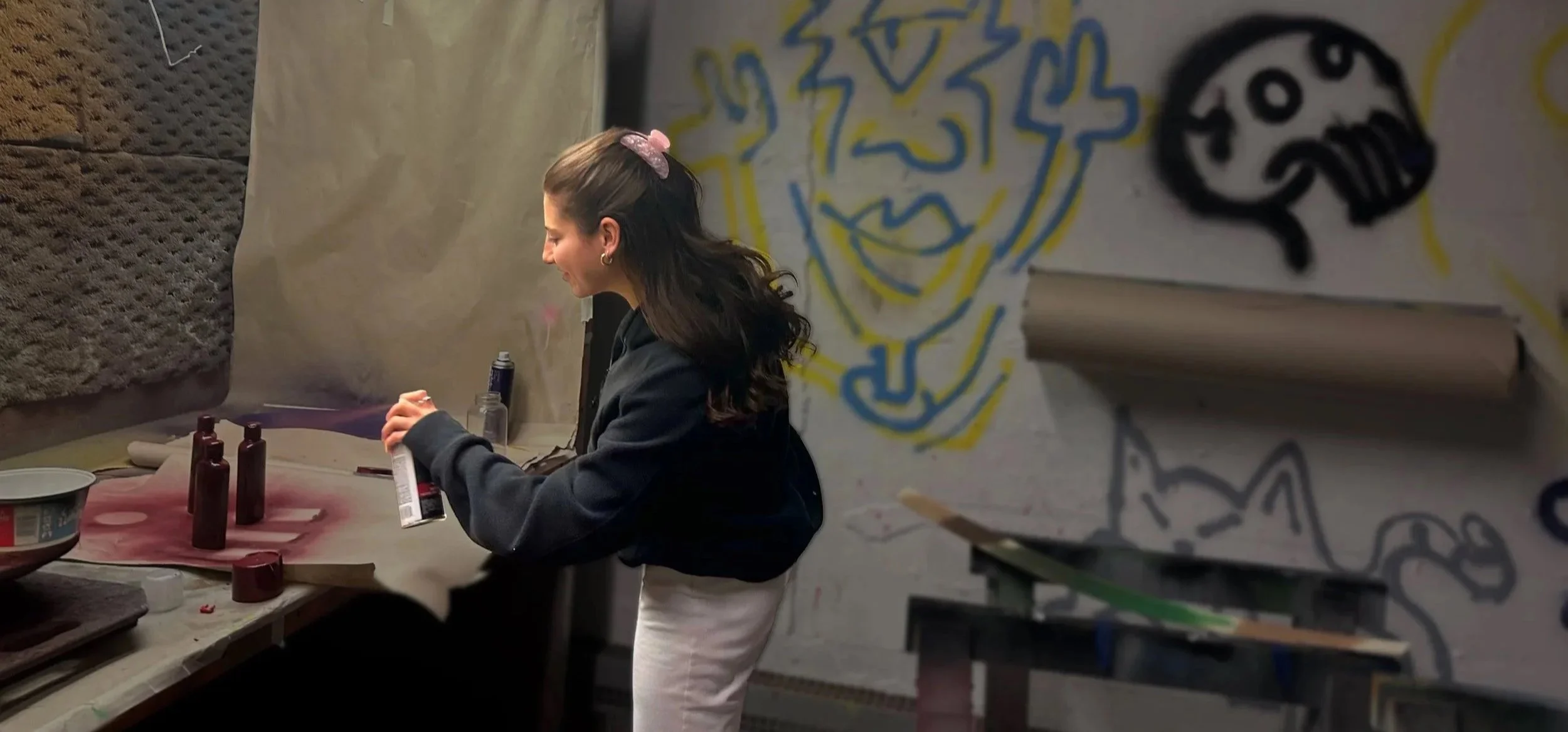
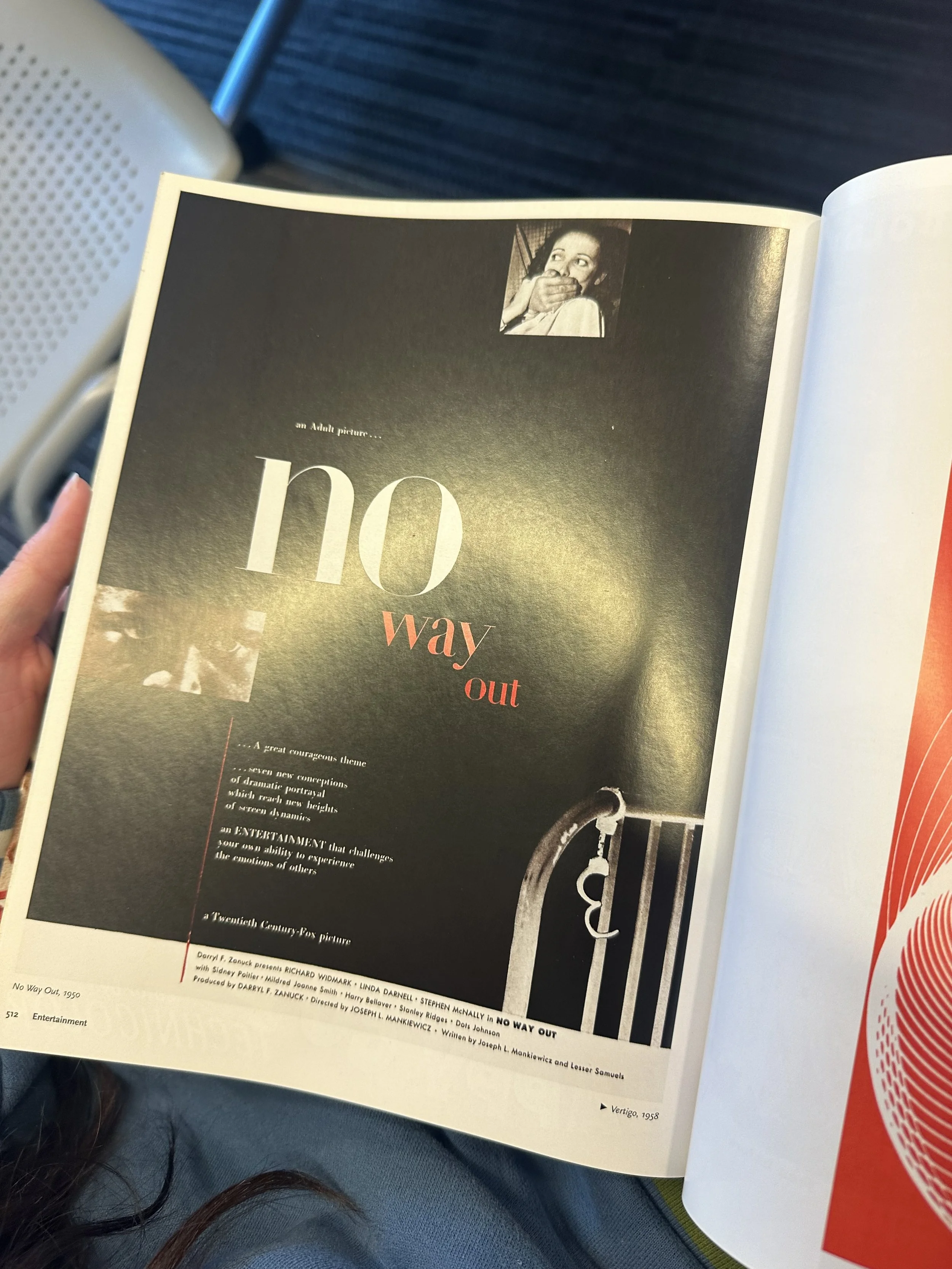
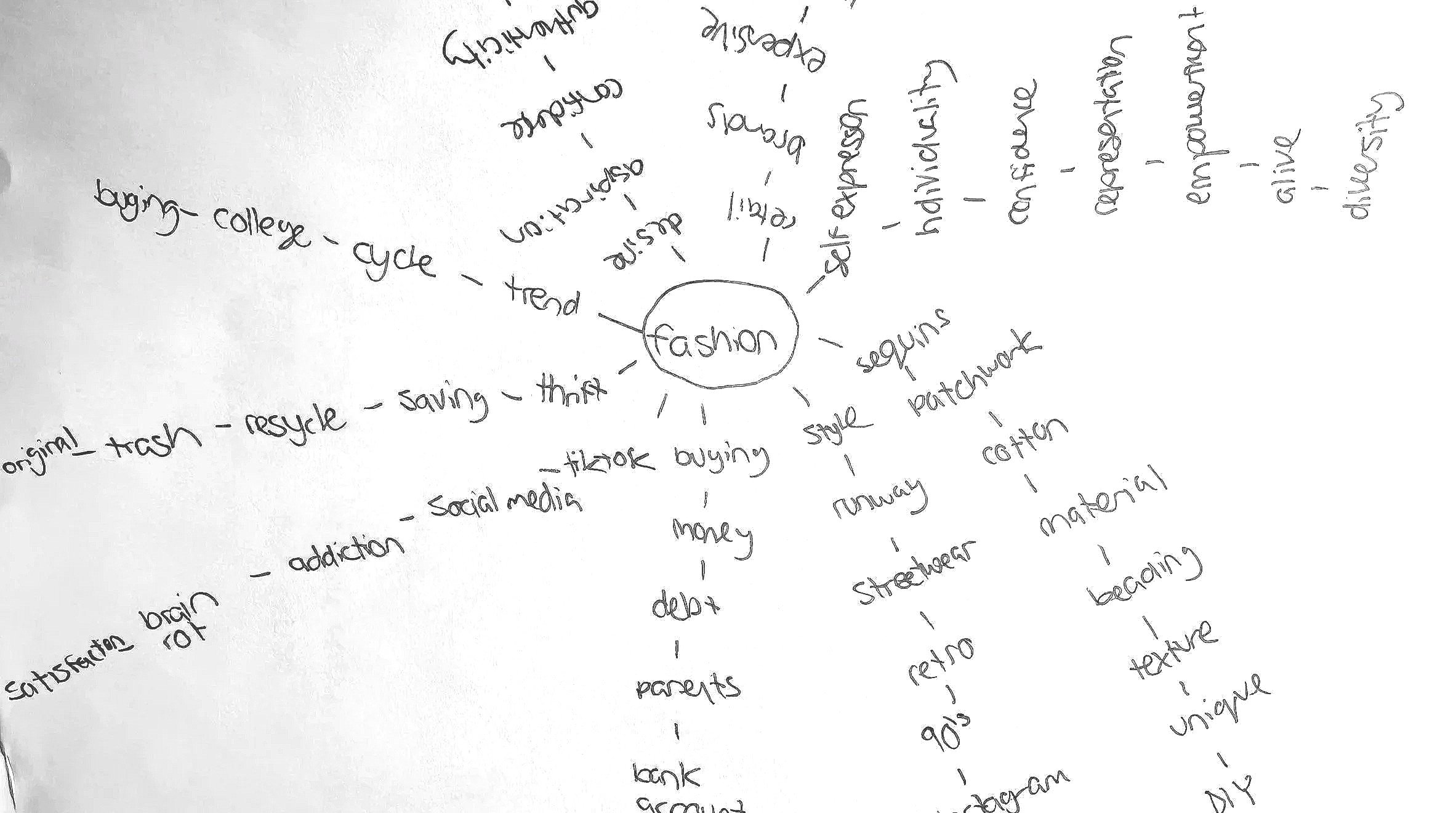
Every project starts with context, not just a problem. I begin by situating the work within a broader landscape: who it’s for, where it lives, and why it matters. This means researching users, but also observing environments, cultural signals, and existing design languages. I look at how similar problems have been approached before, what’s been overdone, and where opportunities exist.
Stage 3

Finding Its Direction
Stage 2
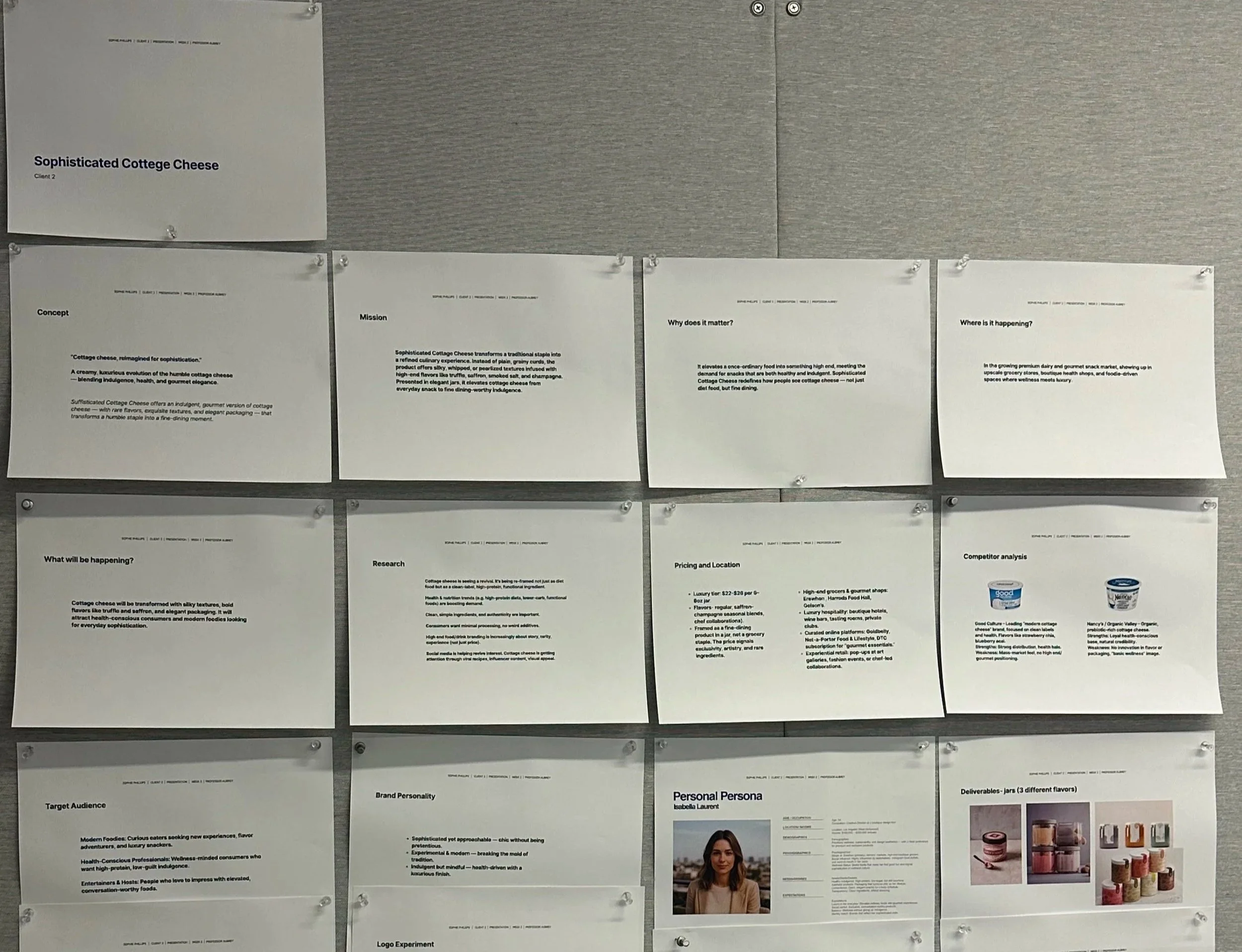
With a clearer sense of context, I begin shaping the direction of the project. This involves defining the core challenge while remaining open to multiple interpretations. Rather than locking into a single answer, I focus on framing the opportunity in a way that invites exploration and meaningful outcomes.
Growing the Ideas
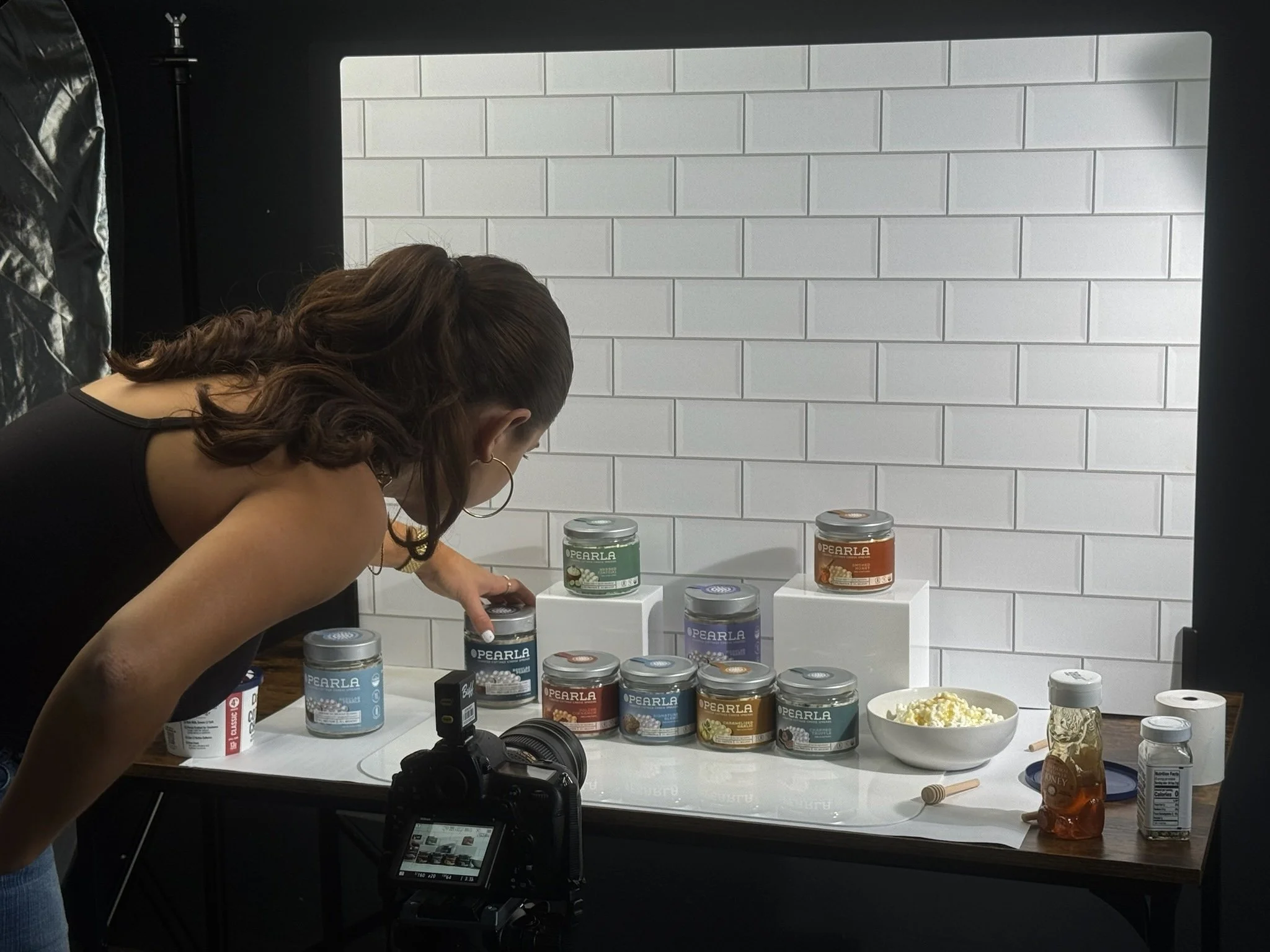
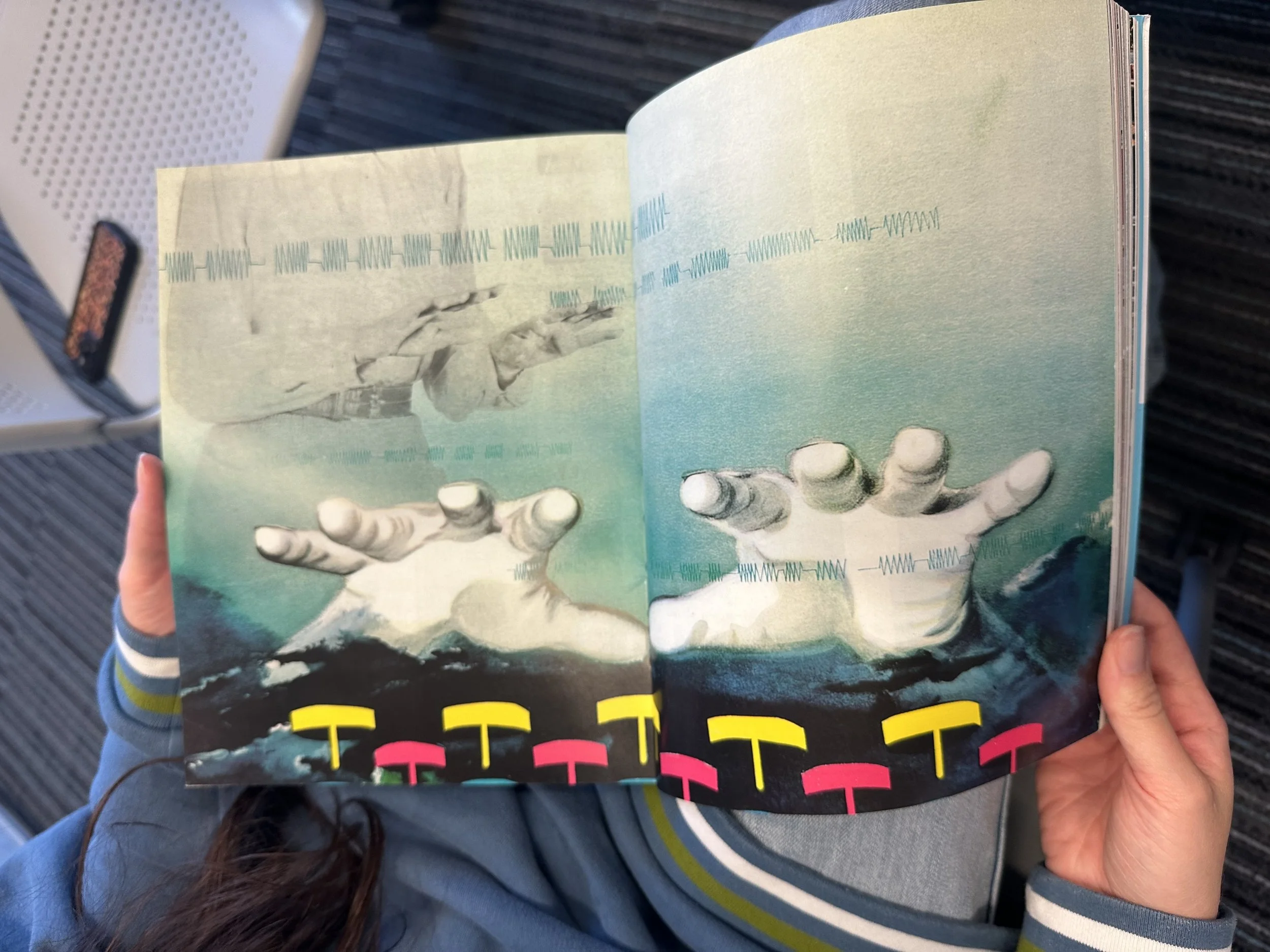
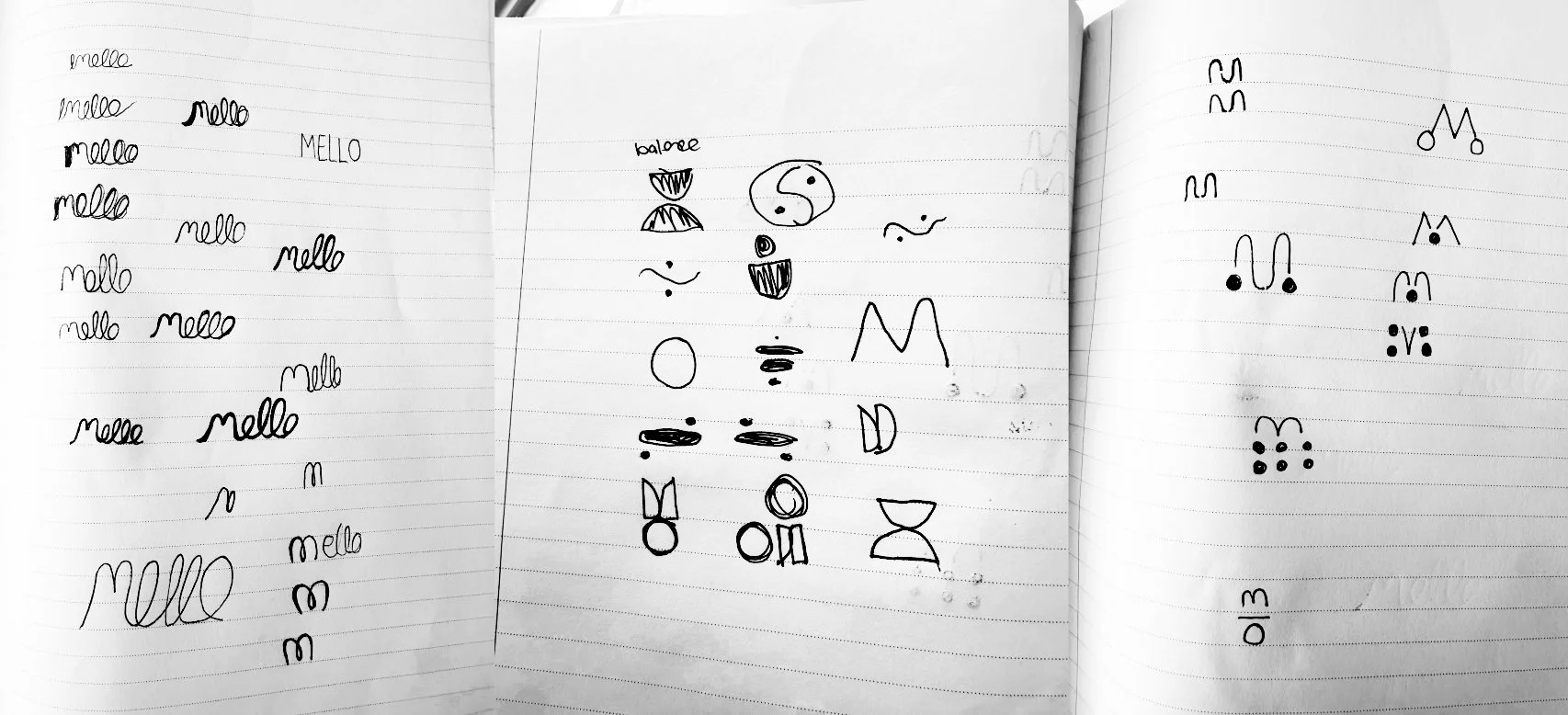
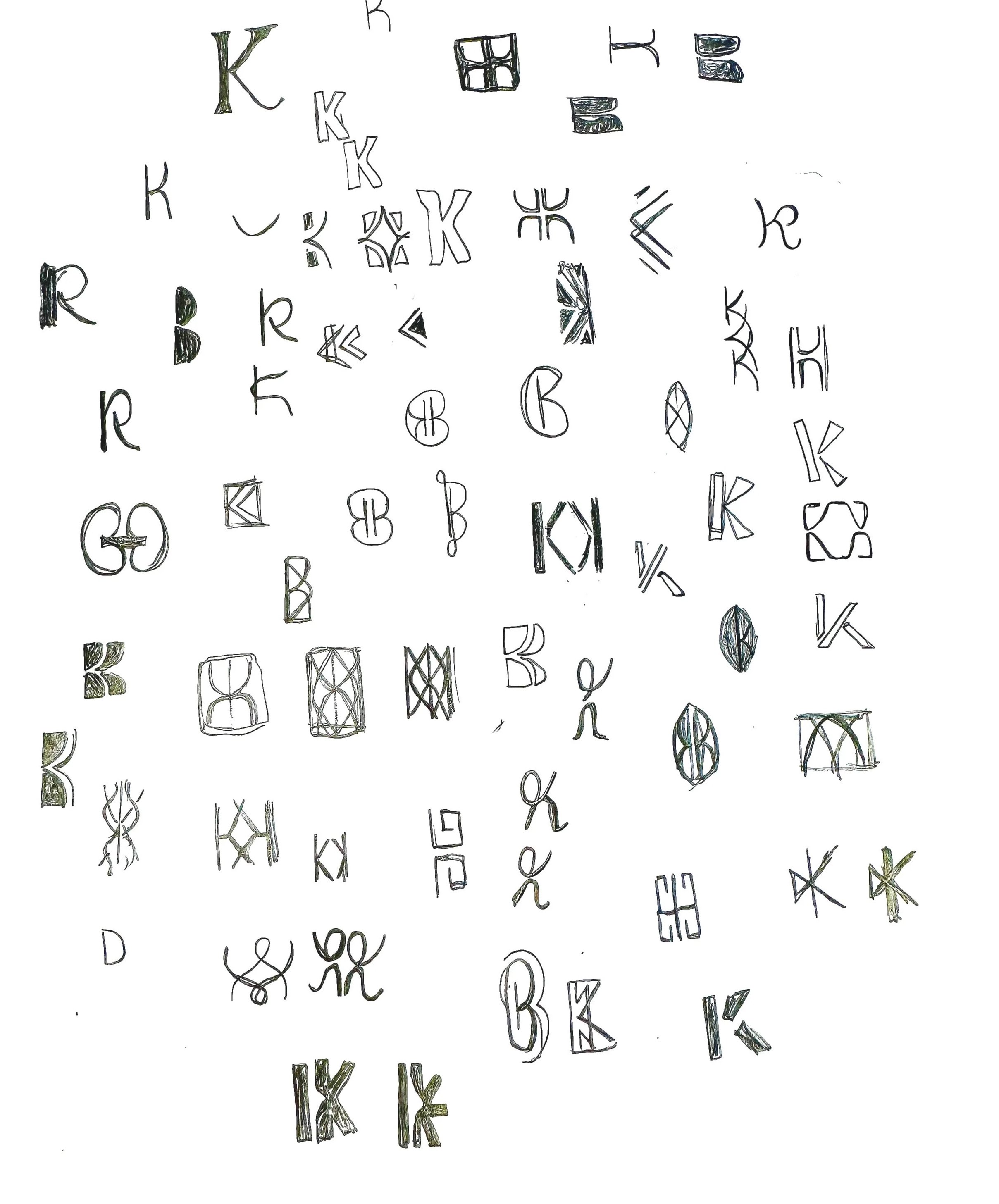
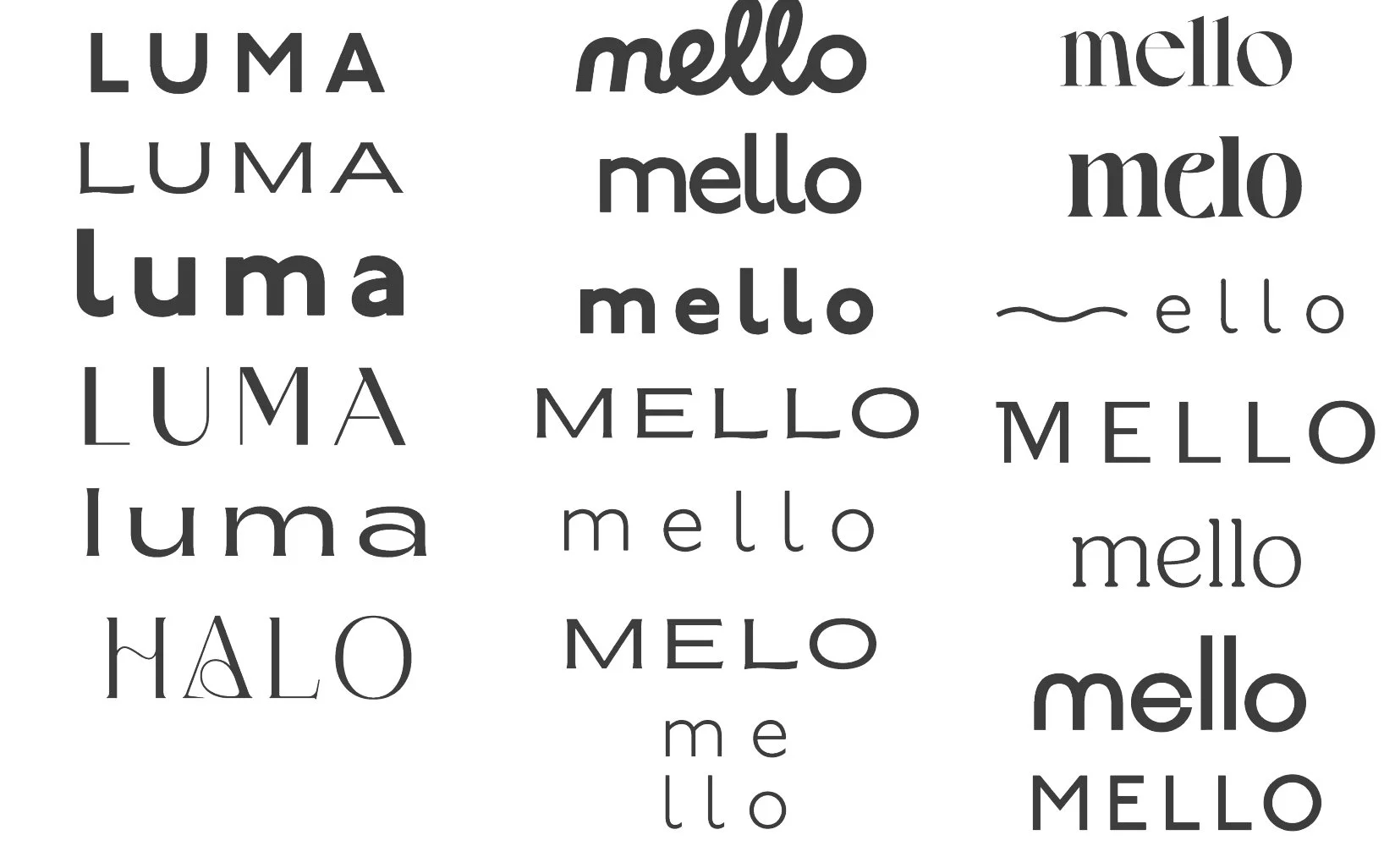
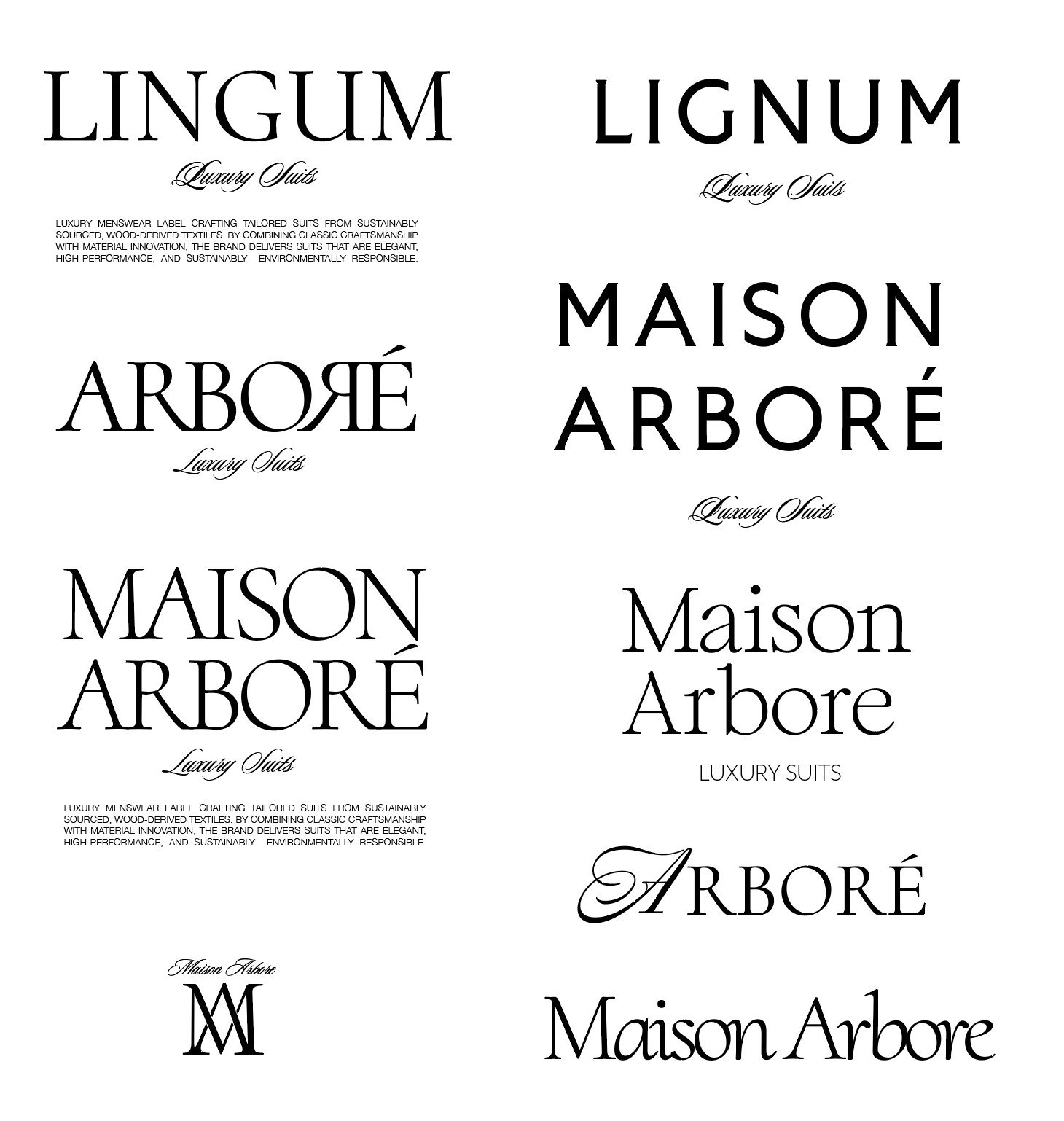
This is where ideas begin to take root. I explore a wide range of concepts through sketching, writing, and visual experimentation. Some directions are expected, others deliberately push boundaries. The goal is not immediate clarity, but depth—allowing ideas the space to develop before selecting the strongest path forward.
Refining the work
Stage 4
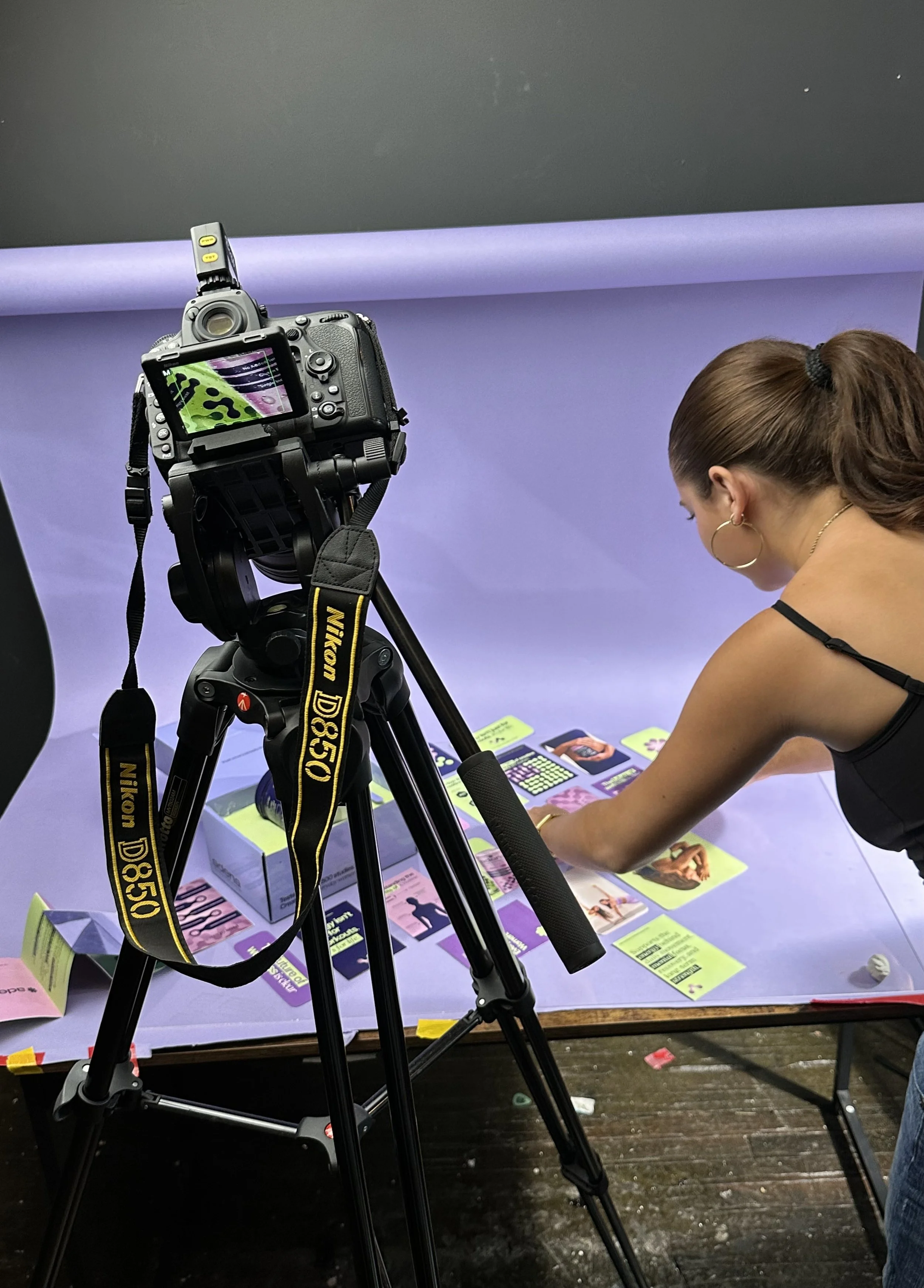
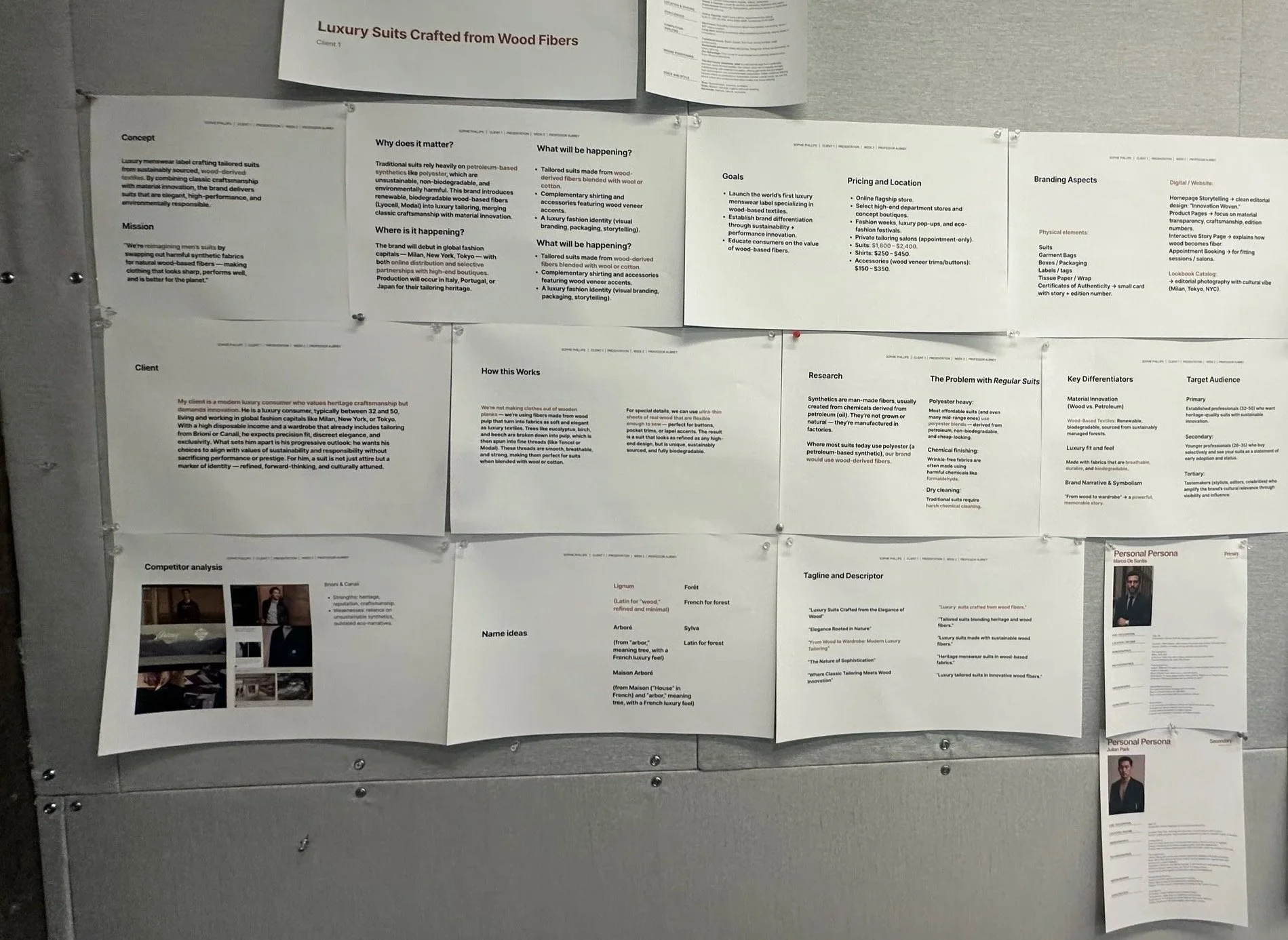
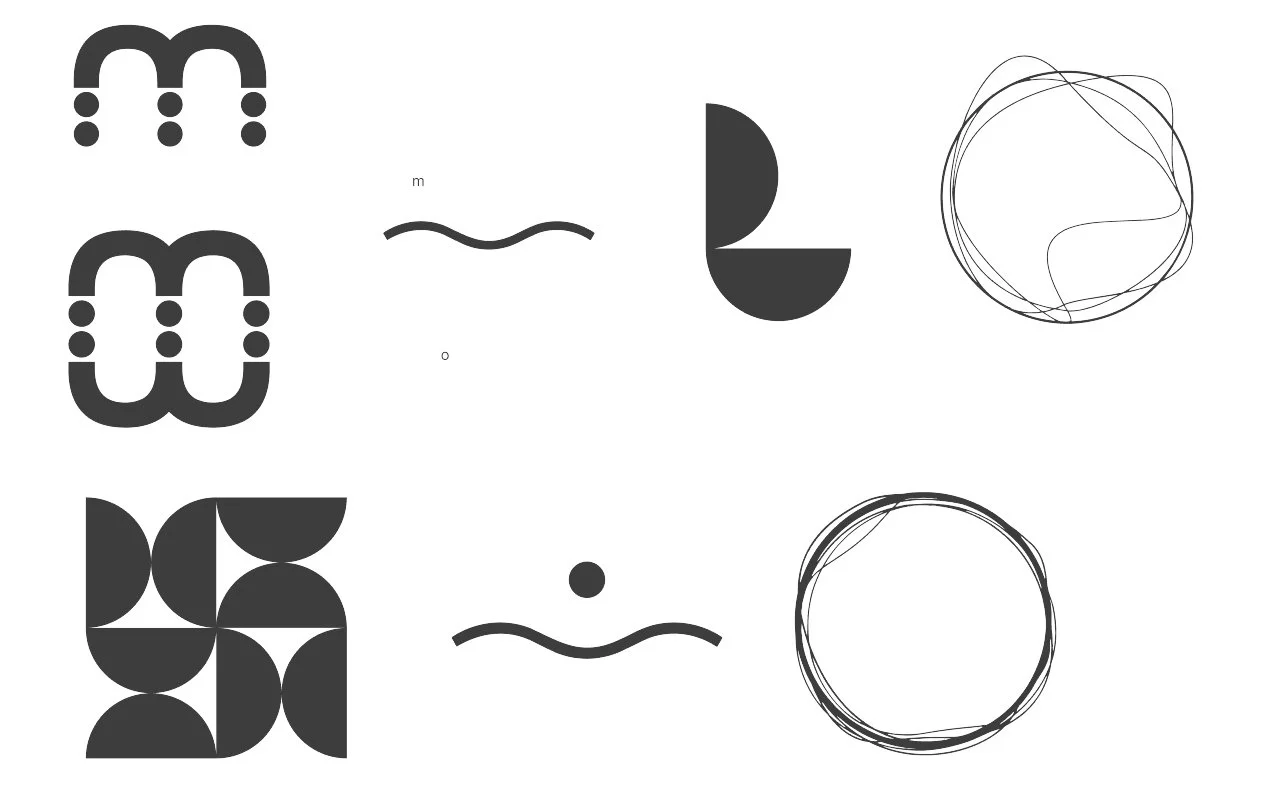
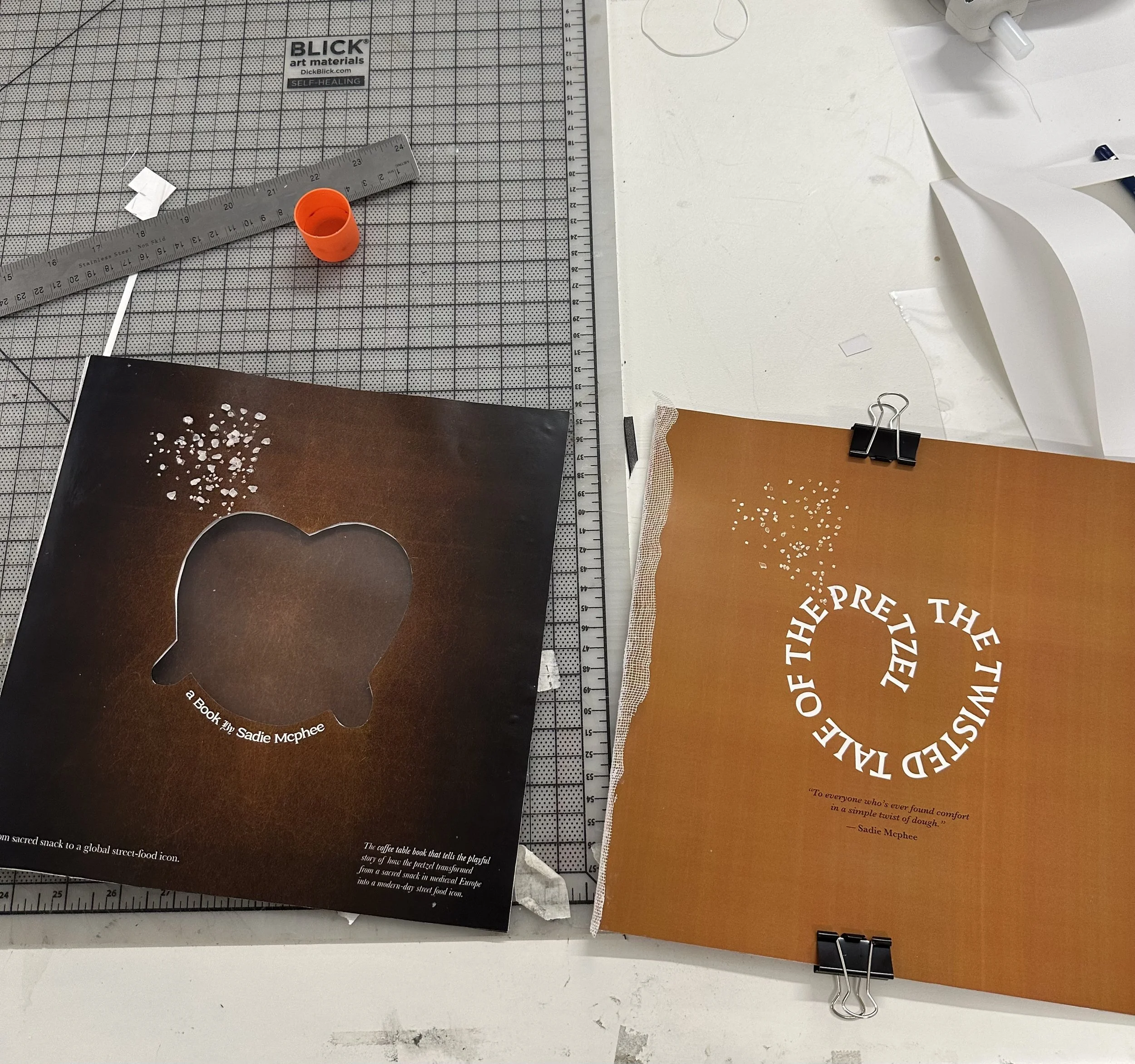
As a direction emerges, I begin to shape and refine it. I create iterations, test variations, and adjust details to strengthen both form and function. This stage is about editing with intention—removing what doesn’t serve the idea and enhancing what does. Through iteration, the work becomes more focused, cohesive, and effective.
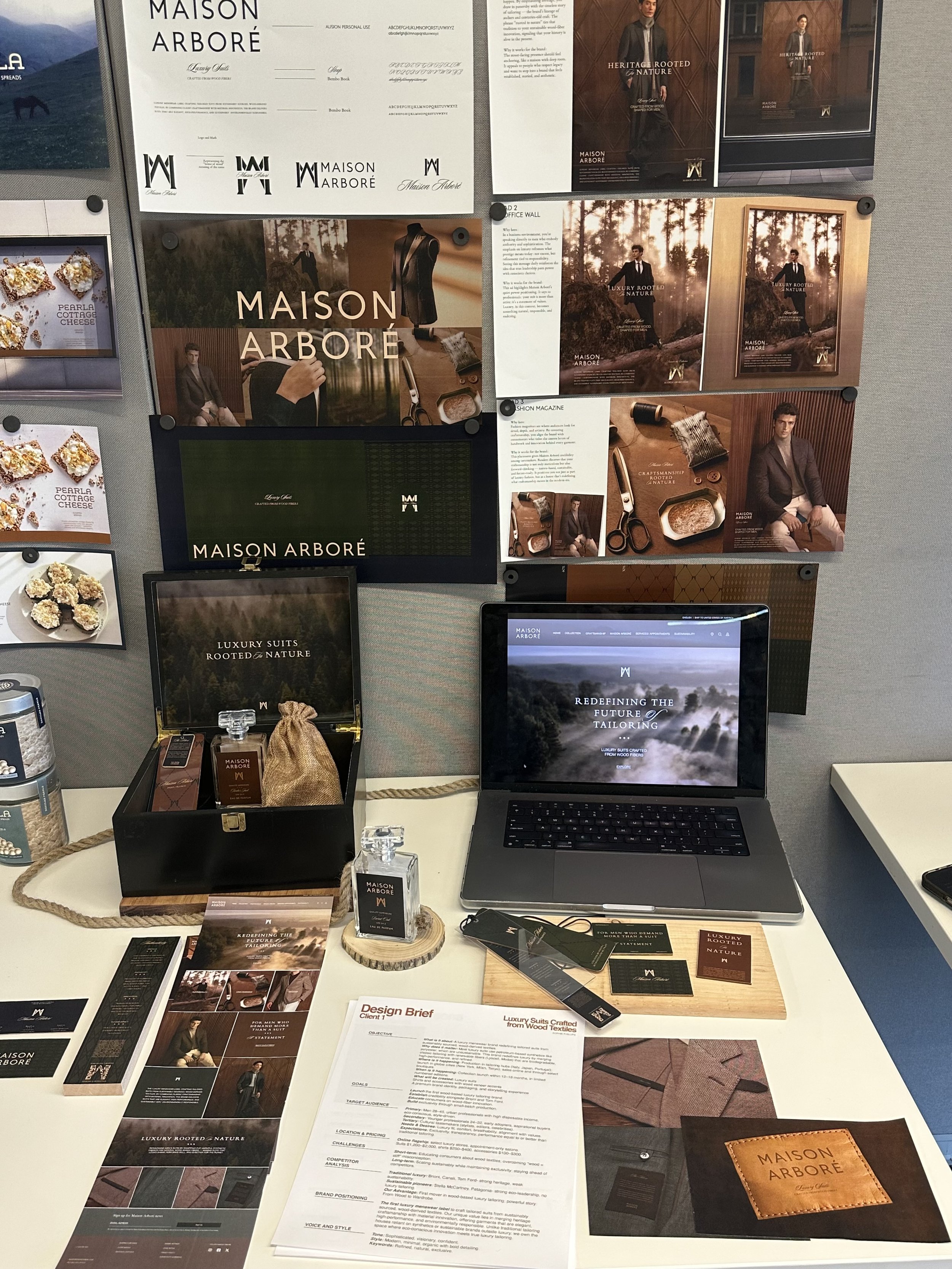
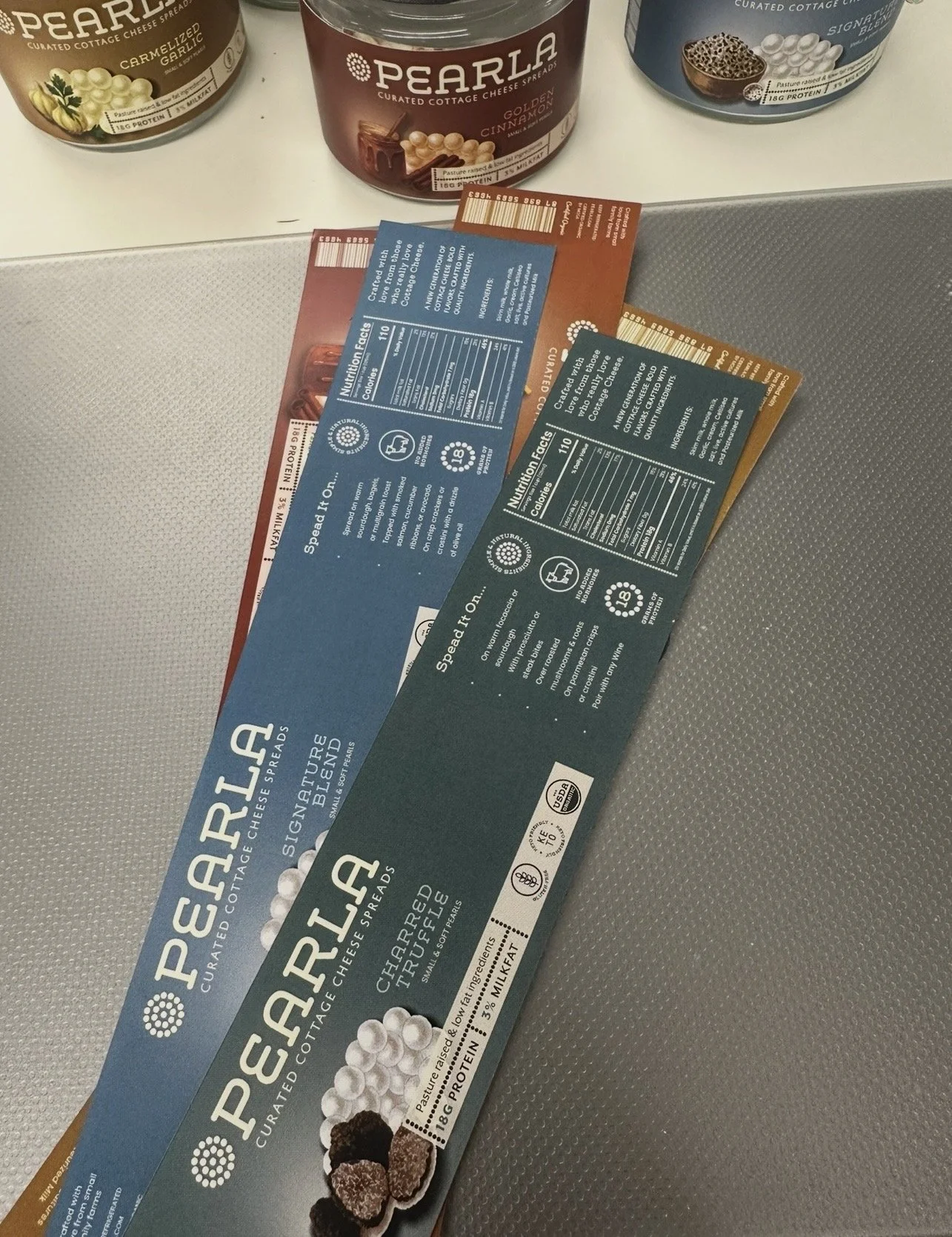
Designing What Blooms
Stage 5
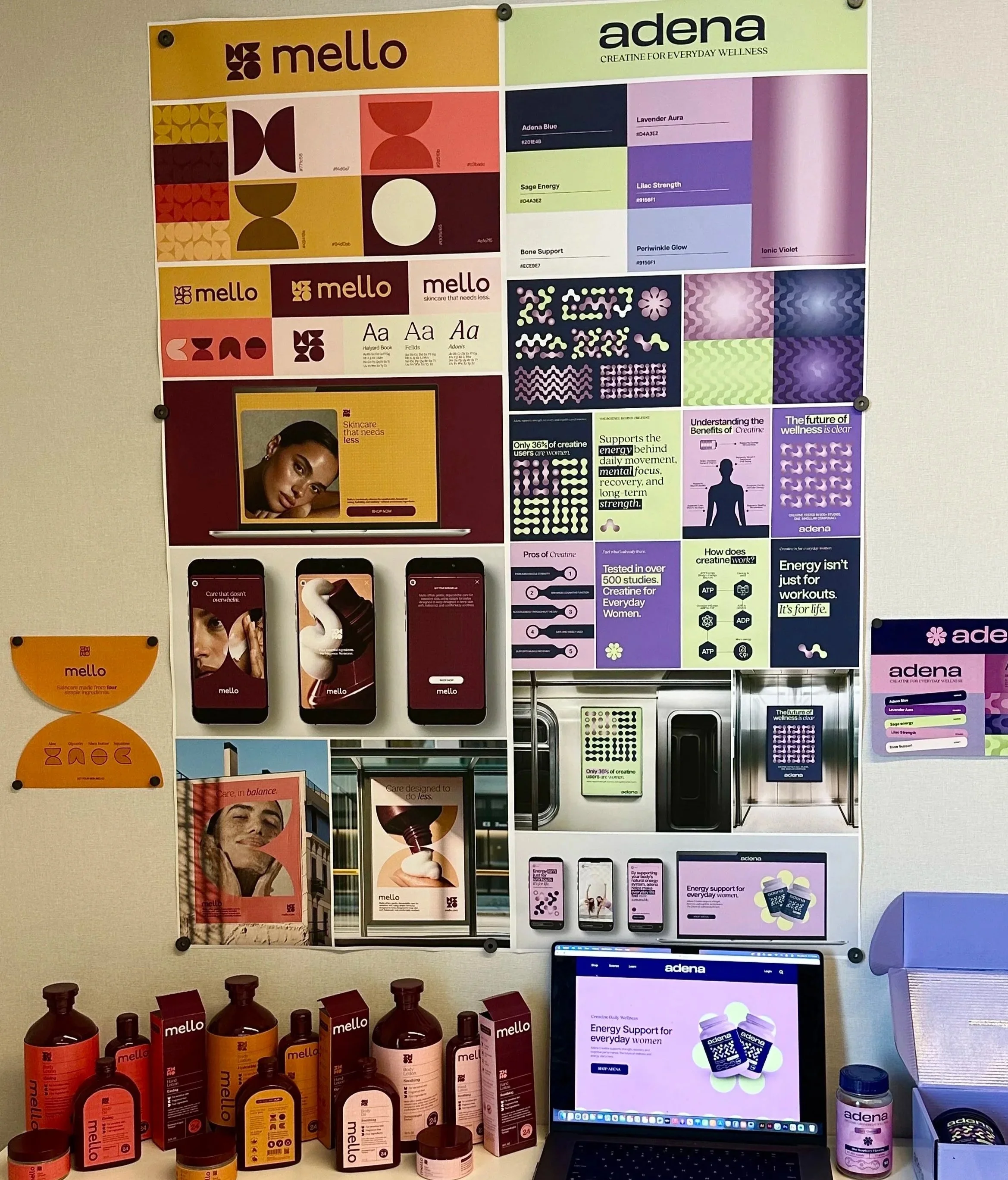
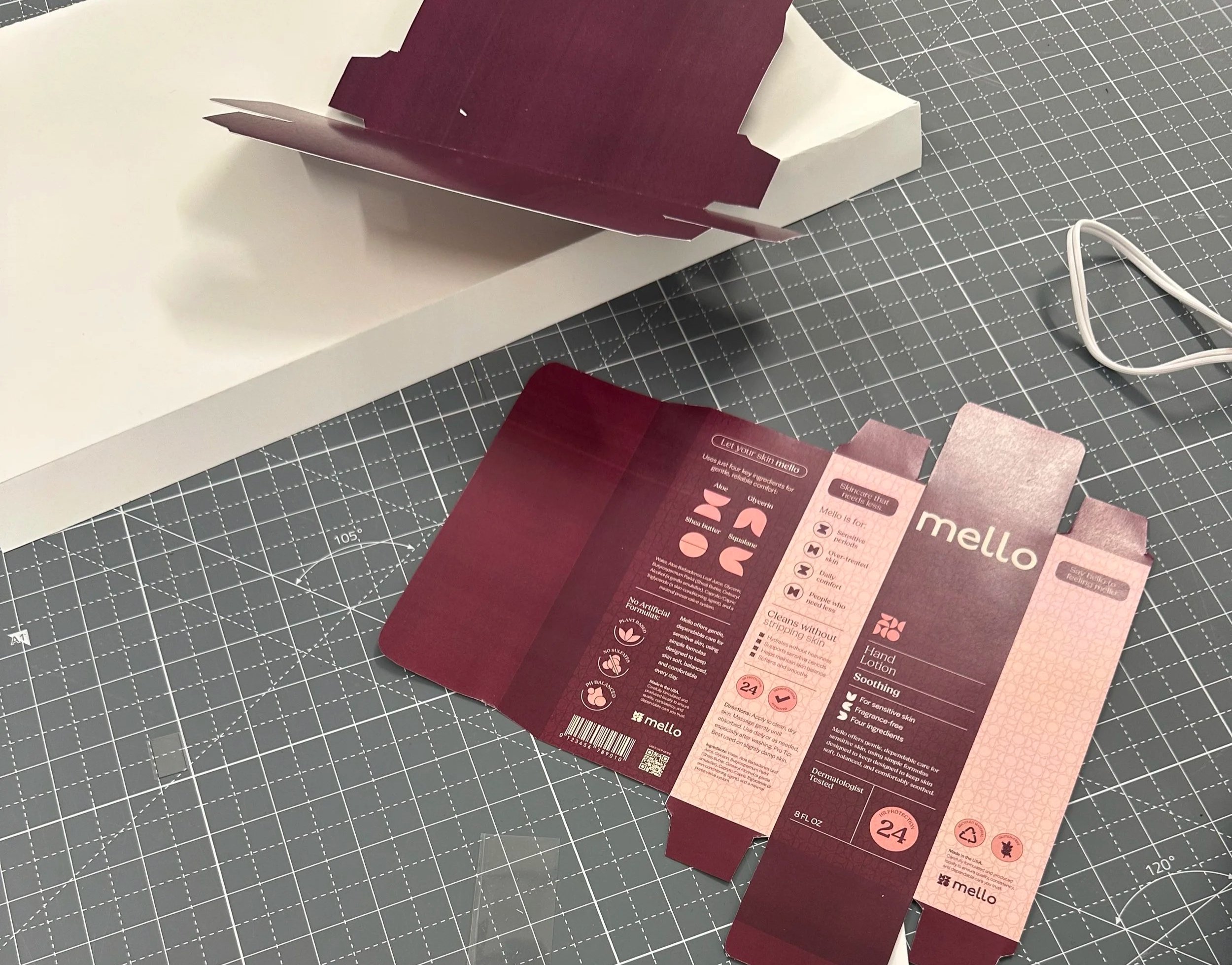
The final stage is where everything comes together. After rounds of refinement, feedback, and evaluation, the design reaches a point of resolution. But the goal isn’t just completion, it’s creating something that feels alive, something that resonates, adapts, and endures past its initial form. Each finished piece becomes part of an ongoing cycle of growth, informing what comes next.